
Cancer: A Global Threat and the Role of the Immune System's NK Cells (Natural Killer Cells)
Cancer has claimed millions of lives worldwide, making it one of the most pressing health concerns of our time. Countries such as the United States, Germany, the United Kingdom, Israel, Japan, China, and Taiwan have invested hundreds of trillions of rupiah in research and development to combat this devastating disease....
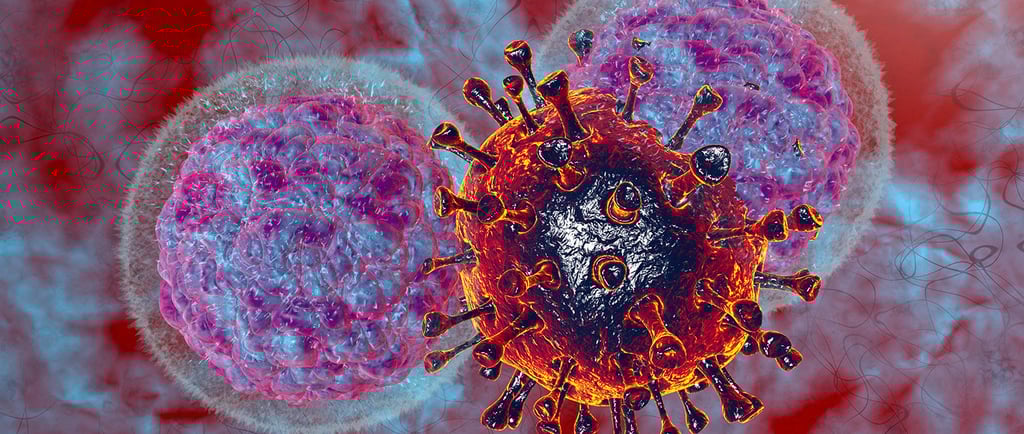
The Global Impact of Cancer
Cancer has claimed millions of lives worldwide, making it one of the most pressing health concerns of our time. Countries such as the United States, Germany, the United Kingdom, Israel, Japan, China, and Taiwan have invested hundreds of trillions of rupiah in research and development to combat this devastating disease. These nations are diligently investigating the origins of cancer cells, the triggers for their emergence, and potential solutions to counteract these malignant cells that can swiftly take lives. The medical community recognizes cancer as one of the deadliest diseases, as cancer cells can regenerate silently every second, significantly contributing to the decline of the global population.
Understanding the Mechanisms of Cancer
Cancer occurs when abnormal cells proliferate uncontrollably within an individual's body. It usually begins with healthy cells that undergo mutations, transforming into malignant ones. Several factors can trigger cancer, including genetic predisposition, excessive stress, history of infections, environmental exposures such as factory smoke and industrial waste, as well as harmful chemicals like pesticides and preservatives. Additionally, extreme fatigue, lack of sleep, and a weakened immune system can also increase the risk of developing cancer. Understanding these triggers is critical for both prevention and early detection, as it can lead to more effective interventions.
Harnessing Natural Killer Cells for Defense
Humans are not only susceptible to cancer; they also possess a natural defense mechanism in the form of Natural Killer (NK) cells, which are present even in newborns. However, as individuals age, the number of NK cells typically declines. Research from Japan has shown a strong link between cancer and the body’s immune system. When immunity is low, cancer cells can thrive; conversely, when the immune system is robust, NK cells are better equipped to control and eradicate these malignant cells. NK cells can be categorized into three main types: granulocytes, lymphocytes (which include NK cells, T cells, and B cells), and monocytes. Each type plays a vital role in detecting and eliminating abnormal cells. Unfortunately, studies indicate that the levels of NK cells begin to decline around the age of 40 and drop significantly after 60, which correlates with higher cancer incidences across various types, including pancreatic, gastric, breast, and lung cancers.
Early Detection with NK Testing by Medeze
Advancements in medical technology have led to the development of the Natural Killer Test (NK Test) by Medeze, which assesses the strength of the immune system, susceptibility to cancer, and overall bodily health. This test is invaluable for determining immune scores, cancer risk, and the severity of cancer cells present in the body. Medeze utilizes sophisticated methods to detect cancer cells smaller than 5 mm—sizes that are often undetectable by MRI. The NK Test is recommended for individuals who frequently experience infections and inflammation, those exposed to chemicals, chronic syndrome patients, active smokers, healthy individuals wanting to check their immune scores, and those with a family history of cancer. Results from the NK Test are available within 7-10 days and are categorized into three parameters: Good (safe, cancer-free), Borderline (risk of future cancer or current symptoms), and Very Bad (acute cancer zone).