
Diabetes Treatment Using Stem Cells: Regenerative Potential for Futuristic Medicine
5/28/20262 min read
Diabetes Treatment Using Stem Cells: Regenerative Potential for Futuristic Medicine
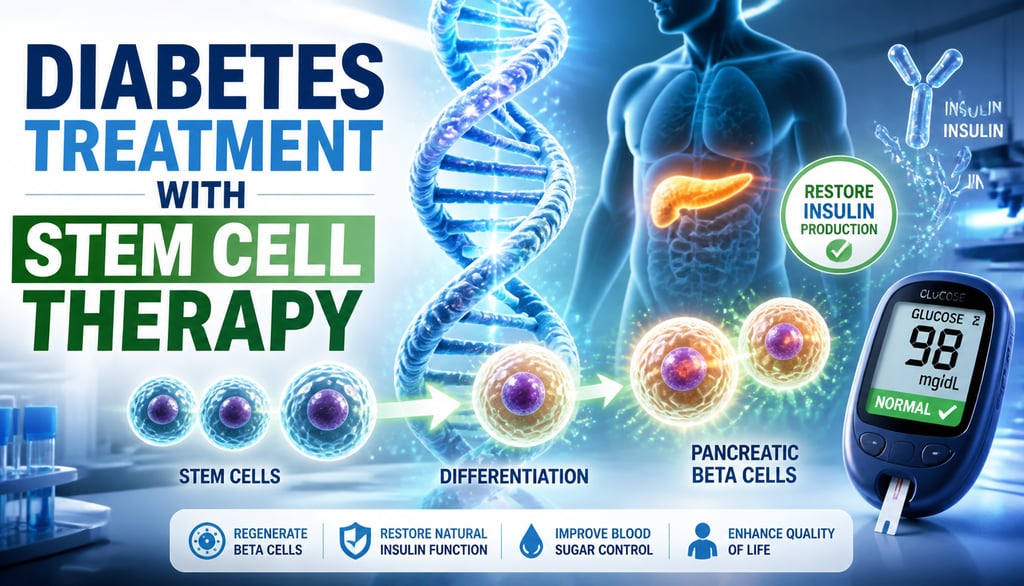
Diabetes mellitus, especially type 1 and progressive type 2, is a chronic disease characterized by impaired insulin production or function. Currently, primary treatment still focuses on symptom management such as insulin administration, oral hypoglycemic medications, and lifestyle changes. However, this approach does not cure the root problem: damage or death of pancreatic beta cells that produce insulin. Therapy using stem cells emerges as a new hope due to their ability to self-renew and differentiate into various cell types, including pancreatic beta cells that function to produce insulin.
Mechanism of Action of Stem Cells in Treating Diabetes
Stem cells work through two main mechanisms in diabetes therapy: beta cell regeneration and immune system modulation. In type 1 diabetes, which is an autoimmune disease, mesenchymal stem cells (MSCs) can suppress the immune response that attacks pancreatic beta cells, thereby reducing inflammation and protecting remaining cells. Meanwhile, in type 2 diabetes, stem cells can differentiate into functional beta cells capable of producing insulin in response to blood sugar levels, while also increasing tissue sensitivity to insulin (reducing insulin resistance).
Clinical Evidence and Latest Research Findings
Several clinical studies have shown promising results in using stem cells for diabetes. In type 1 diabetes patients, hematopoietic stem cell transplantation (HSCT) has successfully induced long-term remission in some patients, where they can stop using insulin for months to years. Meanwhile, research with MSCs from adipose tissue or bone marrow shows increased C-peptide levels (marker of endogenous insulin production) and decreased exogenous insulin requirements. These studies prove that stem cell therapy has real potential to change the diabetes treatment paradigm from mere symptom management to functional cure.
Challenges and Future of Stem Cell Therapy for Diabetes
Despite its great potential, stem cell therapy for diabetes still faces challenges such as standardization of cell source, dosage, route of administration, and long-term safety. Risks such as tumor formation, immune rejection reactions, or uncontrolled differentiation still need to be closely monitored. Currently, this therapy is still experimental and available limitedly in research centers or specialized clinics. However, with advancements in tissue engineering technology and maturing cell therapy, it is expected that in the coming decade stem cell therapy will become a standard option that is safe, affordable, and widely available for diabetes patients worldwide.