What is Stem Cell
Stem cells are special cells in the body that can renew themselves and develop into different types of cells needed by the body. They act like the body's natural repair system to replace damaged or dead cells and help maintain healthy tissues. Stem cells can be found in places like bone marrow, umbilical cord blood, and embryos.
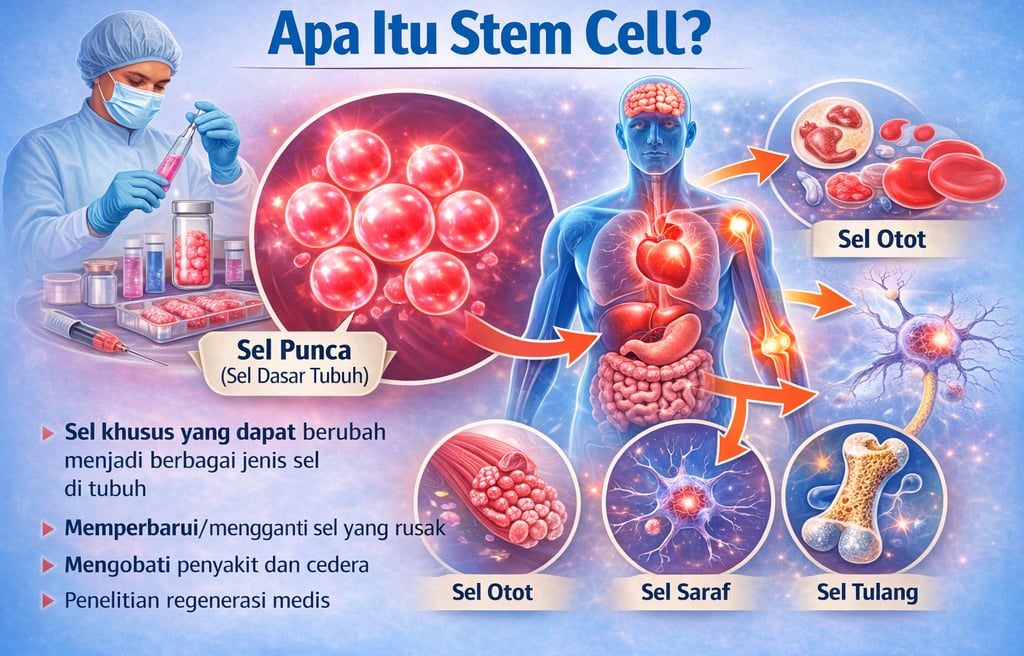
Stem cells are special cells in the body that can renew themselves and develop into various types of cells needed by the body.
They function like the body's natural repair system to replace damaged or dead cells and help keep tissues healthy. Stem cells can be found in places like bone marrow, umbilical cord blood, and embryos.
Stem cells can treat various diseases, especially those caused by tissue or organ damage, such as heart disease, diabetes, arthritis, some neurological disorders, and blood diseases. They work by regenerating damaged cells and tissues, helping the body heal naturally.
For anti-aging and beauty, stem cells help by promoting skin cell regeneration, improving skin texture, reducing wrinkles, and enhancing skin elasticity. They support natural healing and rejuvenation, making the skin look healthier and younger.
Stem cells are very important because they provide powerful natural healing abilities, offering hope for many conditions that currently have limited treatments. Their ability to regenerate and heal makes them a valuable tool for medicine, health, and improving quality of life.
List of Diseases That Can Be Treated with Stem Cell Therapy
Stem cell therapy has shown great potential for treating various diseases, especially degenerative, chronic, autoimmune, and tissue damage conditions. Currently, this therapy is approved for some conditions like leukemia (hematopoietic stem cell transplantation), while others are still in clinical trials or advanced research. Here is a complete list by category, with specific examples.
Neurological and Nerve Diseases
Parkinson's
Alzheimer's
Dementia
Multiple Sclerosis (MS)
Stroke (especially ischemic)
Amyotrophic Lateral Sclerosis (ALS)
Spinal cord injury / nerve paralysis
Traumatic brain injuryJoint and Orthopedic Diseases
Osteoarthritis (knee/hip joint degeneration)
Spinal disc degeneration
Non-healing fractures
Cartilage damageHeart and Cardiovascular Diseases
Heart failure
Coronary heart disease
Post-heart attack damage (myocardial infarction)
Ischemic strokeMetabolic Diseases
Diabetes Mellitus Type 1 and 2
Chronic pancreatic disordersOrgan Diseases and Organ Failure
Liver cirrhosis
Chronic kidney disease
Chronic pancreatitis
Chronic lung disease (such as COPD)
Macular degeneration (eye disease)Autoimmune Diseases
Lupus (SLE)
Rheumatoid Arthritis
Multiple Sclerosis
Crohn’s DiseaseBlood Diseases and Cancer
Leukemia (blood cancer)
Lymphoma
Multiple Myeloma
Myelofibrosis
Polycythemia Vera
Thalassemia
Aplastic AnemiaWounds and Tissue Damage
Diabetic ulcers (chronic diabetes wounds)
Extensive burns
Other chronic woundsOther Diseases (Still in Research)
Blindness (retinal disorders)
Digestive system diseases (Crohn's, cirrhosis)
Bone marrow cancer (Waldenstrom’s macroglobulinemia)
Important Notes: Stem cell therapy is most effective for regenerative diseases where damaged tissue cannot be repaired naturally. Results vary depending on the disease stage, type of stem cells (e.g., MSC or hematopoietic), and processing facilities. In Indonesia, this therapy must be done at BPOM-licensed clinics like Biothera Stem Cell Clinic. Always consult a doctor to assess suitability.